Journal articleFree to read
Hydrochemical characteristics of groundwater in Central Tajikistan
Хусусиятҳои гидрохимиявии обҳои зеризаминии Тоҷикистони Марказӣ
- Center for Innovative Development of Science and Digital Technologies, National Academy of Sciences of Tajikistan, Dushanbe, Tajikistan
https://doi.org/10.65599/eng4873
Highlights
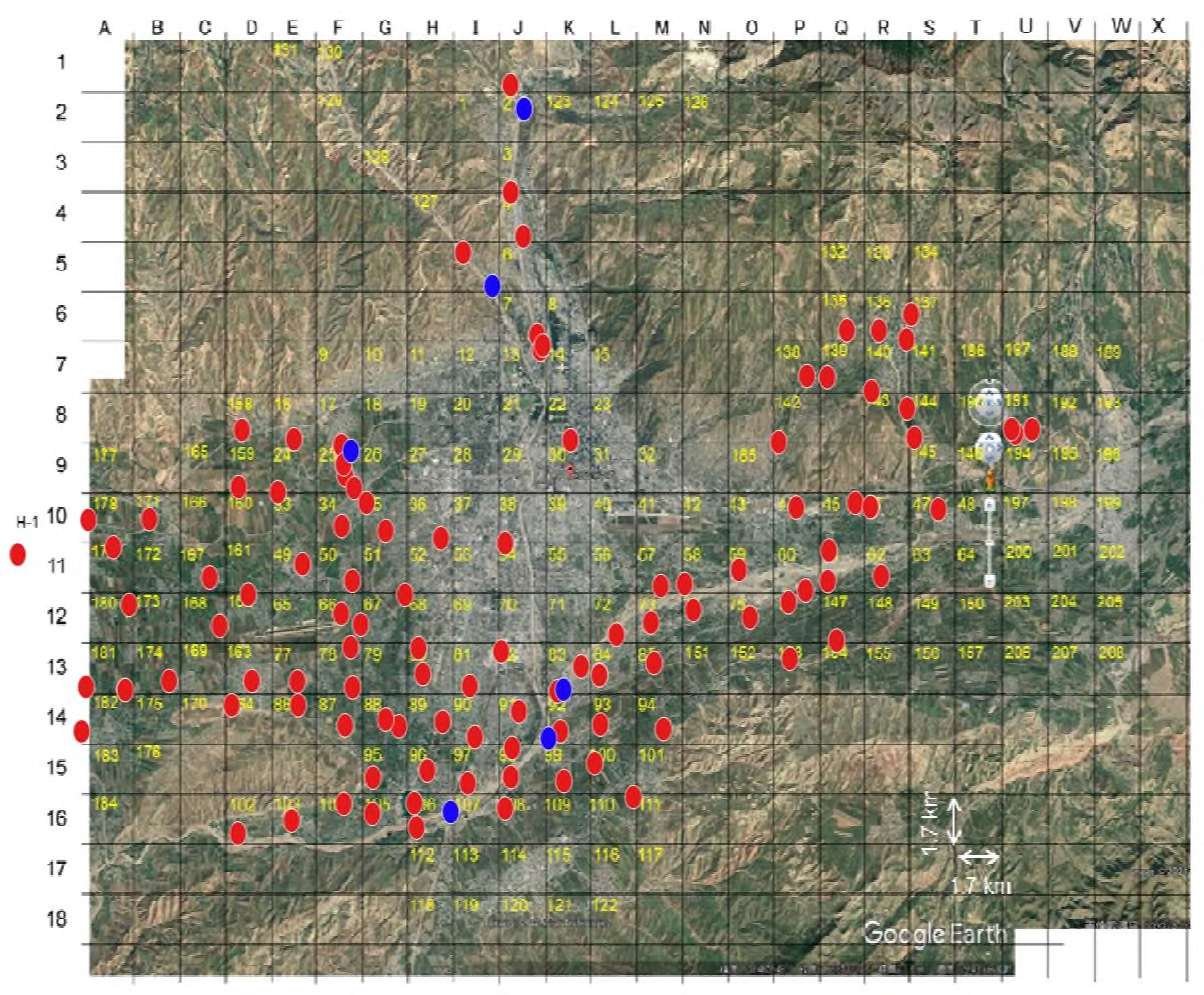
- 15 sampling points in and around Dushanbe, sampled in 2023–2025.
- pH 7.0–7.6; Eh 347–517 mV; EC 25.5–98.3 mS/m (highest at TJK 25 and TJK 92).
- Ca²⁺ 39.8–114.6 mg/L; Mg²⁺ 9.1–50.8 mg/L; Na⁺ 7.9–121.8 mg/L.
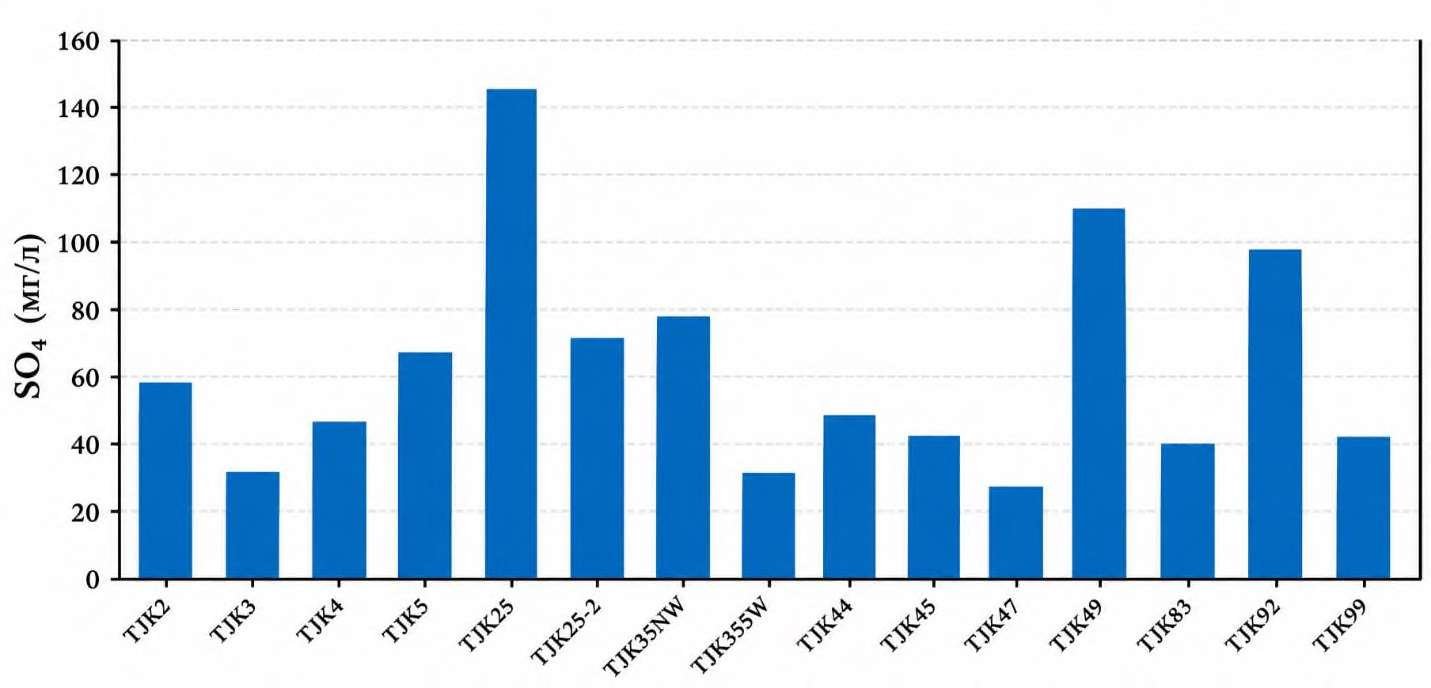
- HCO₃⁻ 213–555 mg/L (highest at TJK 44, lowest at TJK 3); SO₄²⁻ 27.0–147.3 mg/L; Cl⁻ 6.8–24.2 mg/L.
- NO₃⁻ 0.6–49.9 mg/L (highest at TJK 2).
- Total hardness 176–420 mg/L as CaCO₃; water mainly of the Ca–Mg–HCO₃ type.
Keywords
- groundwater
- hydrochemistry
- bicarbonate
- nitrate
- sulfate
- drinking water
- Tajikistan
Summary
F. I. Nazhmudinova, A. S. Qodiri and I. M. Rakhimov of the Center for Innovative Development of Science and Digital Technologies of the National Academy of Sciences of Tajikistan describe the chemistry of groundwater in central Tajikistan, around Dushanbe. In 2023–2025 they sampled 15 points in valleys, foothills and settlements, chosen to cover different hydrogeological zones and located by GPS. In the laboratory they measured pH, electrical conductivity (EC), redox potential (Eh) and the major cations (Na⁺, K⁺, Ca²⁺, Mg²⁺) and anions (HCO₃⁻, Cl⁻, SO₄²⁻, NO₃⁻); bicarbonate was calculated from alkalinity and hardness from calcium and magnesium.
The water is neutral to weakly alkaline, with pH 7.0–7.6, and oxidising, with Eh of 347–517 mV. EC ranges from 25.5 to 98.3 mS/m and is highest at points TJK 25 and TJK 92. Calcium leads the cations at 39.8–114.6 mg/L, with magnesium at 9.1–50.8 mg/L and sodium at 7.9–121.8 mg/L; potassium is low in all samples. Bicarbonate leads the anions at 213–555 mg/L, highest at TJK 44 and lowest at TJK 3. Sulphate is 27.0–147.3 mg/L and chloride 6.8–24.2 mg/L. Total hardness is 176–420 mg/L as CaCO₃, so most samples are hard or very hard.
The water is mainly of the Ca–Mg–HCO₃ type, which the authors attribute to the dissolution of carbonate minerals and water–rock interaction. Nitrate is 0.6–49.9 mg/L, highest at TJK 2: below the World Health Organization guideline value, but close to it at some points. The authors link higher nitrate to human activity, including mineral fertilisers and household wastewater. Sulphate stays below the WHO value of 250 mg/L. They conclude that most of the groundwater is suitable for drinking and household use. Ground temperatures, thermal conductivity and groundwater chemistry for ground-source heat pumps in Dushanbe were measured at the same centre.
Figures (2)
How to cite
F. I. Nazhmudinova, A. S. Qodiri and I. M. Rakhimov (2026). Hydrochemical characteristics of groundwater in Central Tajikistan. Politekhnicheskii vestnik. Seriya: Inzhenernye issledovaniya (Polytechnic Bulletin. Series: Engineering Research), No. 3 (75), 2026, pp. 24–31. https://doi.org/10.65599/eng4873